CogniCare Pro Review 2026Is It Worth the Money?
 |Medically Reviewed by Editorial Team
CogniCare Pro is a nootropics formula built around Bacopa Monnieri Extract, Ginkgo Biloba Leaf Extract, Rhodiola Rosea Extract and L-Theanine. Below is what is actually in it, what those ingredients are understood to do, and the kind of person it suits. It will not suit everyone, and we say so where that is the case.
90-Day Guarantee
Free Shipping
Lab Tested
Secure Checkout
On this page
Score Breakdown
Pros & Cons
Pros
- Scientifically backed ingredients.
- Supports memory and focus.
- Improves mental clarity and reduces fatigue.
- Contains antioxidants for brain protection.
Cons
- May cause mild digestive upset in some individuals.
- Not recommended for pregnant or breastfeeding women.
Who Is This For?
Recommended For:
CogniCare Pro is a good fit if you are:
- Adults seeking to enhance cognitive function and mental clarity.
Not Recommended For:
Worth a word with your doctor first if you are:
- anyone pregnant, breastfeeding, or under 18
- anyone on prescription medication, until a pharmacist has seen the ingredient list
Summary
The ingredient doing most of the work here is Bacopa Monnieri. Bacosides are the active saponins. Research on it tends to show an effect from around 300 mg/day of standardised extract, which is the figure worth holding in mind when you read any label in this category.
What it has going for it: scientifically backed ingredients, Supports memory and focus, Improves mental clarity and reduces fatigue and Contains antioxidants for brain protection. The main thing to weigh against that is that may cause mild digestive upset in some individuals, which is worth knowing before you order rather than after.
One thing to be straight about: CogniCare Pro does not publish per-serving amounts for its ingredients, so there is no way to check any of them against the research. That is common in this category rather than unusual, but it is the difference between a formula you can assess and one you take on trust.
Ingredient Breakdown
CogniCare Pro lists 5 ingredients. Here is what the research says about the ones that carry the formula.
Bacopa Monnieri. Bacopa is one of the better-supported nootropic ingredients in the catalogue, and one of the slowest. Bacosides are the active saponins. Trials generally start to see an effect from about 300 mg/day of standardised extract.
Ginkgo Biloba. Ginkgo is unusual among herbal ingredients in that one specific standardised extract, EGb 761, has been through large randomised trials at a consistent dose. Flavone glycosides and terpene lactones acting on cerebral microcirculation, platelet-activating factor antagonism, and mitochondrial protection against oxidative stress. Trials generally start to see an effect from about 120 mg/day of standardised extract.
Rhodiola Rosea. Rhodiola is the adaptogen with the most usable clinical record for fatigue specifically, built largely around one standardised extract, SHR-5. Rosavins and salidroside are the marker compounds. Trials generally start to see an effect from about 200 mg/day.
L-Theanine. L-theanine is an amino acid found almost exclusively in tea leaves. L-theanine crosses the blood-brain barrier within 30 to 45 minutes of dosing. Trials generally start to see an effect from about 100 mg.
The formula also contains Phosphatidylserine. These have less human research behind them than the ingredients above, so treat them as supporting rather than as the reason to buy.
What CogniCare Pro does not tell you
CogniCare Pro names its ingredients but publishes no amount for any of them, so there is nothing here to check against the research.
Amounts are taken from the manufacturer’s own supplement facts panel. Where a label states a standardisation, the active fraction is what we compare, because the active is what the trials measured.
Quality & Testing
CogniCare Pro states that it is third-party tested, which is worth more than any in-house quality claim: it means an independent laboratory has checked the contents against the label. It is manufactured in European Union. Any supplement sold in the US has to be produced under 21 CFR 111, the FDA's manufacturing rules. Brands often present that as a distinction; it is the legal floor. A certification from a named independent body such as NSF or USP is the thing that actually separates one manufacturer from another, and we only note it where a brand claims it.
Value for Money
CogniCare Pro does not publish a standing price on its own page. The figure moves with whichever bundle is being promoted that week, which is normal for direct-to-consumer supplements and makes a like-for-like comparison awkward.
The question worth asking is not what a bottle costs but what a day costs, and whether the ingredients you are paying for are present in amounts that do anything. In nootropics the price range is wide and it correlates poorly with formula quality: some of the most expensive options here are the least specific about what is inside them.
If you are comparing CogniCare Pro against something else, compare the named active ingredients first and the headline price second.
Side Effects & Safety
CogniCare Pro is generally well tolerated. Nothing in it is unusual for the category, and most people take it without noticing anything beyond what they were hoping for. The points below are the ones worth being aware of rather than reasons to avoid it.
Bacopa Monnieri. GI complaints dominate: nausea, cramping, increased stool frequency, worst on an empty stomach.
Ginkgo Biloba. Mild and infrequent in trials: headache, GI upset, dizziness.
Worth checking. Has cholinergic activity, so caution alongside acetylcholinesterase inhibitors and anticholinergic drugs.
As with any supplement, start at the stated serving and give it a week before you judge how it sits with you. If you take prescription medication, show the ingredient list to a pharmacist first.
Final Verdict
Our Verdict
CogniCare Pro is a high-quality nootropic supplement for those seeking to improve cognitive function. Its blend of effective ingredients offers a reliable way to support mental performance and brain health.
Best For:
Compare Similar Products
View all Nootropics→Other top-scoring picks in the same category, ranked by our independent methodology.
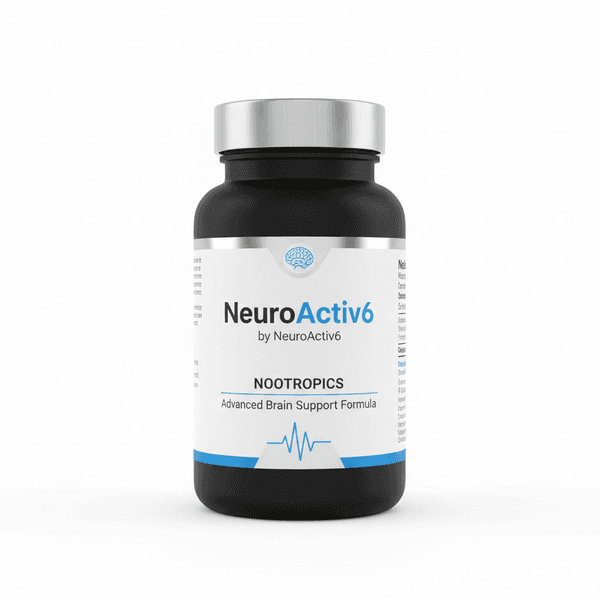
NeuroActiv6
9.4/10NeuroActiv6 is a Nootropic supplement designed to sharpen focus, enhance memory, and boost overall cognitive function for demanding mental tasks.

CogniSurge
8.7/10CogniSurge: Enhance focus, memory, and mental clarity with this potent nootropic blend. Boost brain energy and support cognitive function naturally.

Brain Actives
8.3/10Cognitive enhancement and brain health formula
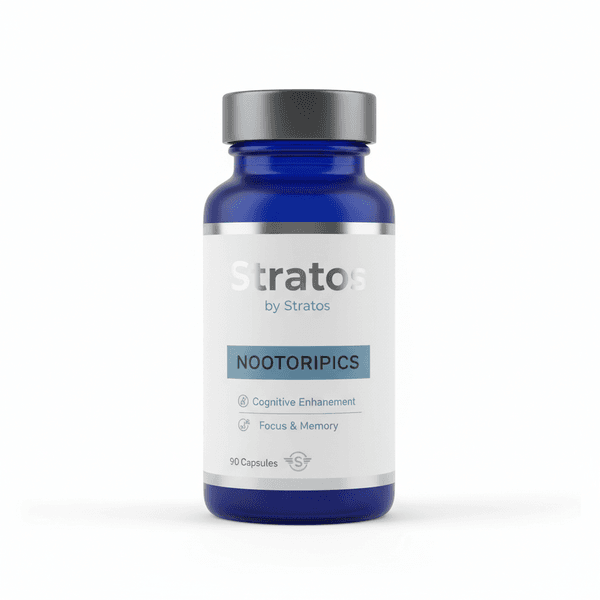
Stratos
7.9/10Stratos is a nootropic supplement designed to sharpen focus, boost memory, and reduce mental fatigue for enhanced cognitive performance.
Frequently Asked Questions
Medical Disclaimer
The content on this page is for informational purposes only and is not intended as medical advice, diagnosis, or treatment. Always consult your physician or qualified healthcare provider before starting any new supplement regimen. Individual results may vary.
Sources & References
- Kongkeaw C et al. 2014. Meta-analysis of randomized controlled trials on cognitive effects of Bacopa monnieri extract. J Ethnopharmacol.
- Calabrese C et al. 2008. Standardized Bacopa monnieri extract on cognitive performance, anxiety and depression in the elderly: randomised trial.
- Morgan A, Stevens J 2010. Does Bacopa monnieri improve memory performance in older persons? J Altern Complement Med.
- Tan MS et al. 2015. Efficacy and adverse effects of ginkgo biloba for cognitive impairment and dementia: systematic review and meta-analysis. J Alzheimers Dis.
- Gauthier S, Schlaefke S 2014. Efficacy and tolerability of EGb 761 in dementia: meta-analysis of randomized placebo-controlled trials. Clin Interv Aging.
- von Gunten A et al. 2015. EGb 761 in dementia with behavioural and psychological symptoms: a systematic review.
- Olsson EM et al. 2009. Randomised double-blind placebo-controlled study of SHR-5 Rhodiola rosea in subjects with stress-related fatigue. Planta Med.
- Shevtsov VA et al. 2003. Randomized trial of two doses of SHR-5 Rhodiola rosea extract versus placebo and capacity for mental work. Phytomedicine.